The Ultimate Guide to Landscaping: Important Services, Benefits, and Regions We Cover
The Essential Guide to Landscaping provides a thorough examination of important solutions that enhance exterior environments. It describes the significance of expert design, effective installation techniques, and routine upkeep. Each component adds to property value and practicality while managing specific neighborhood concerns. Since sustainability continues to gain importance, understanding local expertise is fundamental. What further insights can this guide provide to transform landscapes into vibrant environments?
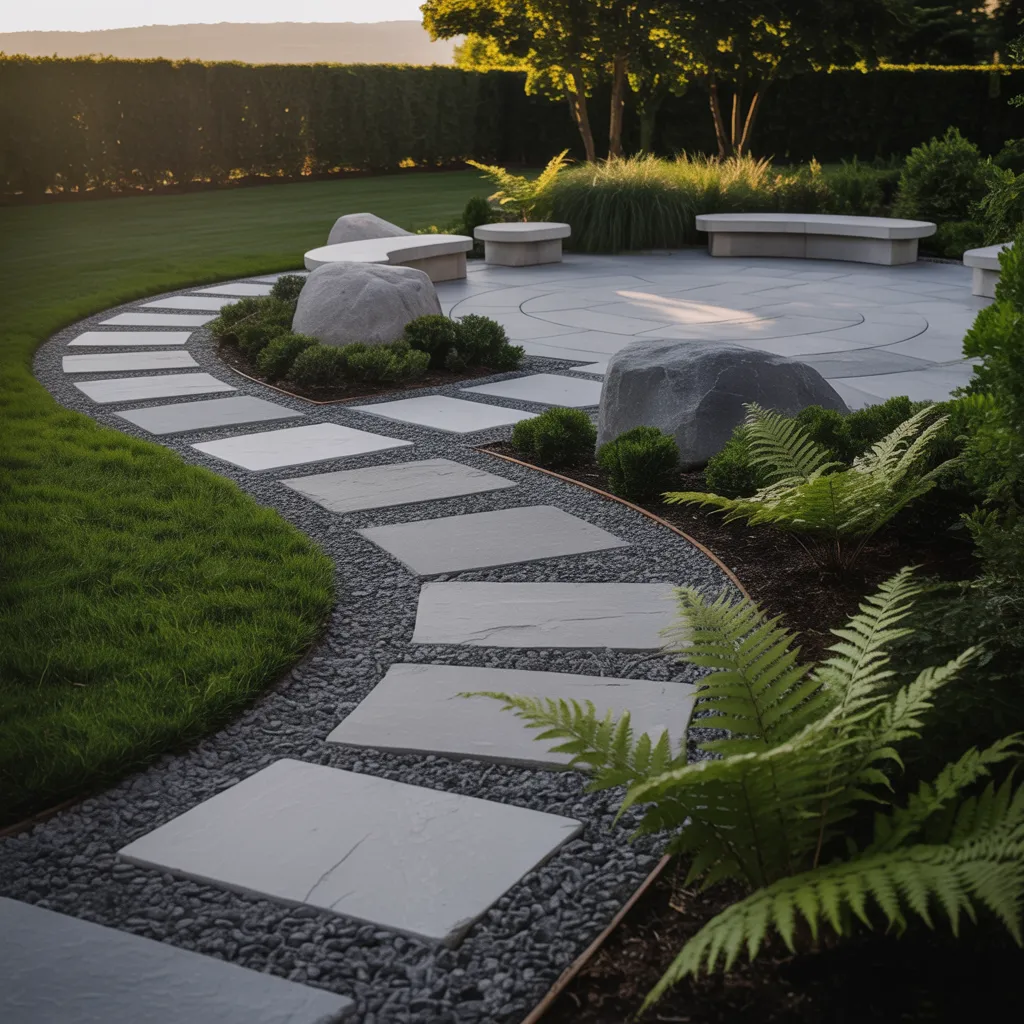
A Guide to Fundamental Landscaping Services
Landscaping covers a range of key services that enhance the aesthetic and functional appeal of outdoor spaces. Primary landscaping services typically include design, installation, and maintenance. The design phase involves establishing a layout that harmonizes with the natural setting while meeting the client's expectations. This stage frequently includes elements like water features, plant selection, and hardscaping.
Installation then begins, where chosen plants, stones, and additional materials are positioned based on the design plan. This step is critical for guaranteeing the longevity and health of the landscape.
Maintenance solutions are equally vital, encompassing standard procedures such as pest management, lawn care, and pruning. These efforts serve to protect the landscape's beauty and health as time goes on.
Combined, these key services build the groundwork for professional landscaping, making certain that exterior spaces are both visually stunning and practical and sustainable.
Why Professional Landscape Design Matters
The craft of expert landscaping converts outdoor areas into balanced settings that improve visual appeal and usability. By combining components like plants, hardscapes, and water features, experienced professionals craft beautiful landscape designs customized for specific needs and preferences. This expertise not only enhances visual beauty but also raises real estate worth, making investment in professional services worthwhile.
Furthermore, professional landscaping considers ecological considerations, promoting sustainability through the incorporation of native plants and effective watering solutions. Such an approach minimizes maintenance costs and preserves natural resources, benefiting both the homeowner and the ecosystem. Moreover, a thoughtfully designed landscape can enhance the functionality of outdoor areas, providing spaces for recreation and relaxation that accommodate diverse lifestyles.
In the end, the advantages of expert landscape design go far beyond simple aesthetics; they develop engaging, practical spaces that encourage a more meaningful relationship with nature and improve overall quality of life.
Best Landscaping Installation Methods
Transforming an outdoor space calls for a thoughtful strategy for construction techniques that guarantee both resilience and visual charm. Proper outdoor planning is rooted in ground preparation, establishing optimal conditions for plant growth. This involves testing soil pH and nutrient levels, followed by amending as necessary.
Next, careful plant selection plays a vital role; picking native species can strengthen sustainability while decreasing maintenance needs. Sound planting techniques, including suitable depth and spacing, contribute to building healthy root systems.
Additionally, hardscaping elements, such as patios and walkways, should be implemented with special attention to leveling and drainage to minimize future damage. Utilizing quality materials secures longevity and enriches the overall aesthetic.
Irrigation systems, whether drip or sprinkler, must be designed for efficiency, promoting healthy growth while conserving water. Additionally, implementing mulching methods safeguards soil and plants, further enhancing a flourishing landscape. Together, these methods establish the groundwork for effective landscaping projects.
Why Consistent Maintenance Is Essential for Your Landscape?
Regular maintenance guarantees that a landscape continues to flourish over time. Consistent maintenance, including tasks such as cutting, shaping, and weeding, reduces the risk of overgrowth and illness, ensuring greenery remains healthy. It also elevates the overall appearance of the property, contributing to a welcoming environment.
Additionally, consistent maintenance can identify potential issues before they escalate, minimizing the time and financial burden of substantial repairs. To illustrate, a modest pest problem can be handled efficiently if discovered at an early point, while ignoring the issue can result in extensive damage.
Furthermore, regular maintenance fosters a balanced outdoor space by promoting biodiversity and soil health. A properly cared-for landscape can also boost property value, establishing it as a compelling draw for interested buyers. By prioritizing maintenance, homeowners and property managers can appreciate a lovely and efficient outdoor setting, enhancing both enjoyment and investment.
Reliable Landscaping Irrigation Solutions
Reliable landscaping irrigation solutions play a fundamental role in sustaining a flourishing and vibrant outdoor landscape. Numerous types of irrigation systems, together with cutting-edge water conservation strategies, can significantly improve water efficiency. Exploring these options is crucial for establishing sustainable and vibrant outdoor areas.

Kinds Of Irrigation Systems
When considering the optimal solutions for irrigating landscapes, understanding the various types of irrigation systems is essential for achieving the best balance of efficiency and plant health. Drip irrigation systems channel water straight to the root zone, limiting evaporation and excess runoff, making it a perfect choice for gardens and flowerbeds. Sprinkler systems deliver adaptable coverage across larger landscapes, with choices between stationary and rotating head configurations. Soaker hoses deliver a gradual and gentle watering approach for row crops, facilitating deep moisture absorption into the soil. Additionally, subsurface irrigation utilizes underground pipes or tubes, guaranteeing consistent moisture delivery below the ground surface, minimizing weed development. Each irrigation system comes with its own set of unique benefits, enabling landscape professionals to choose the most appropriate system according to their specific needs and environmental factors.
Water Preservation Strategies
Water conservation remains a fundamental aspect of eco-friendly landscaping methods. Efficient irrigation systems, such as rainwater harvesting and drip irrigation, substantially decrease water waste while preserving landscape vitality. Drip irrigation systems supply water straight to plant roots, limiting water loss through evaporation and runoff. Rainwater harvesting systems collect and retain rainwater for future use, offering an eco-friendly water supply for lawns and gardens.
Moreover, xeriscaping—the practice of designing landscapes using drought-resistant vegetation—plays a key role in water conservation by decreasing irrigation demands. Mulching around plants retains soil moisture and suppresses weeds, enhancing water efficiency. Installing smart irrigation systems that modify watering schedules according to current weather conditions further improves water efficiency. Combined, these methods support environmentally responsible landscaping and help ensure lasting water sustainability.
Improving Outdoor Comfort and Utility
Furthermore, the choice of plants proves crucial in establishing the atmosphere of the space. Native and drought-resistant plants can offer aesthetic appeal while minimizing maintenance and water usage. Integrating outdoor lighting enhances safety and ambiance, making outdoor environments accessible and inviting in the evening.
In the end, a balanced landscape design blends natural elements with practical spaces, supporting outdoor pursuits and building a feeling of togetherness. This well-rounded philosophy confirms that the outdoor environment is both pleasurable and purposeful for every individual who experiences it.
Areas We Serve: Your Local Landscaping Experts
Regional landscaping professionals provide invaluable knowledge of regional climates and soil conditions, delivering customized approaches for each unique project. Their expansive coverage areas encompass a wide scope, enabling customers to conveniently receive quality landscaping services. Appreciating the specific demands of each region improves both visual appeal and practicality in open-air landscapes.
Local Expertise Matters
How can homeowners ensure their landscape design reflects the special attributes of their region? Working with local landscaping specialists is crucial. These experts have in-depth knowledge of the climate, soil types, and native plants, ensuring that designs not only thrive but also harmonize with the environment. Local expertise allows for tailored solutions that address specific challenges, like pest control or water conservation, prevalent in specific regions. Additionally, familiarization with regional aesthetics assists in developing attractive outdoor spaces that connect with neighborhood reference customs and values. By prioritizing local professionals, residents can create lasting, gorgeous garden areas that increase real estate worth and local attractiveness, yielding a more fulfilling and durable outdoor design outcome.
Wide-Ranging Service Areas
Even though several landscaping firms assert they can handle broad service regions, true expertise lies in understanding the specific needs of local communities. Wide coverage areas are fundamental for quality landscaping, as they guarantee that professionals are familiar with regional climates, soil types, and local flora. Through concentrating on particular communities or localities, landscaping experts can offer tailored solutions that enhance the beauty and functionality of outdoor spaces. This localized approach fosters stronger relationships with clients, guaranteeing that their personal expectations and requirements are fulfilled. Additionally, understanding local regulations and community guidelines helps streamline project execution, reducing delays and complications. In the end, selecting a landscaping provider that emphasizes its coverage zones enables property owners to gain from focused expertise and outstanding outcomes.
Commonly Asked Questions
What Do I Need to Know Before Launching a Landscaping Project?
Before starting a landscaping project, it is important to consider local climate, budget, design preferences, maintenance requirements, soil conditions, and the intended functionality of the space to ensure a favorable and long-lasting outcome.
How Do I Pick the Most Suitable Plants for My Climate?
To choose the right vegetation for a particular region, it is important to consider local climate temperatures, precipitation levels, soil characteristics, and light availability. Furthermore, choosing indigenous plants can strengthen durability and benefit surrounding ecosystems successfully.
What Timeline Should You Expect for a Landscaping Project?
A typical landscaping project timeline varies from a few weeks to several months, depending on project size and complexity. Factors such as weather, design approval, and plant availability can have a considerable effect on the total timeframe as well.
What Environmentally Friendly Landscaping Options Are Available?
Yes, environmentally friendly landscaping options include native plants, xeriscaping, rain gardens, and organic gardening practices. These options encourage biodiversity, lower water consumption, and decrease chemical use, establishing green outdoor environments that are advantageous to both people and the natural world.
How Can I Incorporate Hardscaping Into My Landscape Design?
Incorporating hardscaping into landscape design entails selecting materials like concrete, stone, or wood for pathways, patios, and walls. Positioning these components strategically enhances visual appeal while offering useful areas for relaxation and outdoor activities.